


Seeing the Check Engine Light come on and finding P0014 on your OBD2 scanner can be frustrating. While the code is commonly associated with the Variable Valve Timing (VVT) system, it doesn't always mean an expensive repair is required. In many cases, the root cause is as simple as low engine oil or a sticking VVT solenoid.
This guide explains what the P0014 code means, the symptoms to watch for, the most common causes, how to diagnose the problem step by step, and the most effective repair solutions. Whether you're a DIY car owner or a professional technician, you'll also learn how modern diagnostic tools can help identify the fault more accurately and avoid unnecessary parts replacement.
Quick Facts About P0014
| Item | Details |
|---|---|
| DTC | P0014 |
| Definition | Exhaust Camshaft Position Timing Over-Advanced or System Performance (Bank 1) |
| System Affected | Variable Valve Timing (VVT) |
| Severity | Moderate to High |
| Can You Drive? | Short trips only; prolonged driving is not recommended |
| Most Common Causes | Low or dirty engine oil, faulty VVT solenoid, camshaft position sensor, timing chain wear |
| DIY Difficulty | Moderate |
| Professional Repair Cost | Approximately $100–$2,000+ depending on the cause |
What Does P0014 Mean?
Official OBD-II Definition
P0014 — "Camshaft Position 'B' – Timing Over-Advanced or System Performance (Bank 1)"
In simple terms, the Engine Control Module (ECM) has detected that the Bank 1 exhaust camshaft is positioned further advanced than it should be. This means the exhaust valves are opening earlier than expected, which affects valve timing and reduces engine efficiency.
Modern engines use a Variable Valve Timing (VVT) system to continuously adjust camshaft timing based on engine speed and load. By controlling oil pressure through the VVT system, the ECM optimizes:
- Engine performance
- Fuel economy
- Emissions
- Throttle response
When the ECM can no longer control the exhaust camshaft within its expected range, it stores P0014 and illuminates the Check Engine Light.
Understanding the Terms
- Camshaft "B" = Exhaust camshaft
- Bank 1 = The engine bank containing Cylinder #1
- Applies To = Most OBD-II vehicles built since 1996 equipped with Variable Valve Timing
Common Symptoms of P0014
Depending on the severity of the fault, you may notice one or several of the following symptoms.
| Symptom | Frequency |
|---|---|
| Check Engine Light | ★★★★★ |
| Rough or unstable idle | ★★★★★ |
| Poor acceleration | ★★★★☆ |
| Reduced fuel economy | ★★★★☆ |
| Ticking noise from engine | ★★★☆☆ |
| Hard starting | ★★★☆☆ |
| Engine enters Limp Mode | ★★☆☆☆ |
1. Check Engine Light
The first and most common symptom is an illuminated Malfunction Indicator Lamp (MIL). Scanning the vehicle will typically reveal P0014, although additional VVT-related codes may also be present.
2. Rough Idle
Incorrect exhaust cam timing can disrupt combustion, causing the engine to idle roughly or vibrate noticeably while stopped.
3. Sluggish Acceleration
A malfunctioning VVT system reduces engine efficiency, resulting in slower throttle response and weaker acceleration during passing or highway merging.
4. Increased Fuel Consumption
Improper valve timing lowers combustion efficiency, forcing the engine to consume more fuel under normal driving conditions.
5. Ticking or Rattling Noise
Insufficient oil pressure or excessive timing chain wear may produce ticking or rattling noises from the front of the engine, especially during cold starts.
6. Limp Mode
Some manufacturers program the ECM to limit engine power when camshaft timing deviates significantly from specification, protecting internal engine components from damage.
What Causes the P0014 Code?
Although P0014 can be triggered by several different faults, most cases fall into four categories. Starting with the most common causes can save both time and unnecessary parts replacement.
1. Engine Oil Problems (Most Common)
Engine oil is the hydraulic fluid that operates the VVT system. Any issue affecting oil quality or pressure can directly cause incorrect camshaft timing.
Common oil-related causes include:
- Low engine oil level
- Dirty or sludged engine oil
- Incorrect oil viscosity
- Restricted oil passages
- Clogged oil filter
- Low engine oil pressure
Real-world example: A Toyota owner replaced both the camshaft position sensor and VVT solenoid after repeatedly seeing P0014. The actual problem turned out to be heavily contaminated engine oil that restricted oil flow to the cam phaser. After performing a complete oil and filter change, the fault code did not return.
Tip: Always check the engine oil before replacing any VVT components. A clogged or low-quality oil filter can also reduce oil flow to the VVT system — replacing both the oil and filter is recommended when diagnosing oil-related VVT faults.
2. VVT Solenoid or Cam Phaser Failure
The VVT Oil Control Valve (OCV), commonly called the VVT solenoid, regulates oil flow to the camshaft phaser. If either component sticks or becomes contaminated, camshaft timing may remain advanced longer than commanded.
Possible failures include:
- Sticking VVT oil control solenoid
- Blocked oil passages inside the solenoid
- Worn or seized camshaft phaser
- Internal oil leakage around the phaser
- Damaged VVT actuator seals
These faults are among the most common mechanical causes of P0014.
3. Electrical or Sensor Problems
The ECM relies on accurate camshaft and crankshaft position signals to monitor valve timing. Electrical issues may include:
- Faulty Camshaft Position (CMP) Sensor
- Damaged CMP sensor wiring
- Loose or corroded electrical connectors
- Poor ground connections
- Damaged reluctor wheel
- Rare ECM communication faults
Although less common than oil-related issues, faulty sensor signals can cause the ECM to incorrectly calculate camshaft position and set P0014. Inspect the sensor, wiring, and connector before replacing more expensive VVT components.
4. Mechanical Timing Problems
If P0014 returns after replacing common VVT components, the engine's mechanical timing should be inspected. Potential causes include:
- Stretched timing chain
- Worn timing chain guides
- Weak timing chain tensioner
- Timing belt installed incorrectly
- Camshaft timing out of specification
- Internal engine wear affecting valve timing
Mechanical timing faults are generally the most expensive to repair but should not be overlooked, especially on high-mileage vehicles.
How Serious Is P0014?
Severity: Moderate to High
While many vehicles remain drivable with P0014, the code should never be ignored. Short trips to a repair facility are generally acceptable if the vehicle is running normally. However, prolonged driving is not recommended, especially if the engine is running poorly or has entered Limp Mode.
Short-Term Effects
- Reduced engine performance
- Rough idle
- Increased fuel consumption
- Higher emissions
- Failed emissions inspection
Long-Term Risks
If the underlying problem is not corrected, prolonged driving may lead to:
- Accelerated timing chain wear
- Camshaft phaser damage
- Catalytic converter failure due to incomplete combustion
- Reduced engine lubrication
- Internal engine damage on interference engines
If your vehicle enters Limp Mode, avoid driving unless necessary and arrange repairs as soon as possible.
How to Diagnose P0014 (Step-by-Step)
A systematic diagnostic process helps avoid replacing parts that aren't actually faulty.
Step 1 — Scan the Vehicle
Connect a quality OBD2 scanner and:
- Read all stored Diagnostic Trouble Codes (DTCs)
- Save Freeze Frame data
- Check for additional VVT or oil pressure-related codes
- Record engine operating conditions
If multiple timing-related codes are present, diagnose them together instead of focusing only on P0014.
Step 2 — Inspect Engine Oil
Before replacing any components:
- ✓ Check the oil level.
- ✓ Verify the oil viscosity matches the manufacturer's recommendation.
- ✓ Inspect the oil for sludge, contamination, or overdue service.
A simple oil service resolves a surprising number of P0014 cases. Note that clearing the DTC only removes it from the ECM's memory — if the underlying issue has not been repaired, P0014 will return after the vehicle completes its self-diagnostic cycle.
Step 3 — Inspect the VVT Solenoid
Locate the Bank 1 exhaust VVT solenoid and inspect for:
- Oil contamination
- Clogged filter screens
- Damaged connectors
- Broken wiring
- Loose terminals
Many technicians remove and clean the solenoid before replacing it.
Step 4 — Test the Electrical Circuit
A circuit tester can quickly verify:
- Power supply
- Ground integrity
- Wiring continuity
- Connector condition
If electrical faults are ruled out, attention should shift toward the VVT actuator or mechanical timing components.
Step 5 — Perform Advanced Diagnostics
If the code persists, professional diagnostic equipment can greatly reduce troubleshooting time. A full-system scan tool with Live Data and Active Tests allows you to:
- Monitor actual camshaft angle versus commanded angle
- Command the VVT solenoid on and off
- Compare camshaft and crankshaft synchronization
- Identify sticking VVT actuators or timing chain stretch without unnecessary disassembly
For electrical testing, a circuit tester can verify power, ground, and wiring integrity before replacing expensive components.
How to Fix the P0014 Code
The correct repair depends on the root cause of the fault. Before replacing any components, always complete the diagnostic steps outlined above.
Tier 1 – Basic DIY Repairs
These are the most common and least expensive repairs, and they solve a large percentage of P0014 cases.
1. Change the Engine Oil and Filter
Dirty or degraded oil is one of the leading causes of VVT-related faults.
- Replace the engine oil using the manufacturer's recommended viscosity.
- Install a quality or OEM oil filter.
- Clear the code and perform a road test.
Many vehicles no longer display P0014 after a proper oil service.
2. Clean the VVT Oil Control Solenoid
Over time, sludge and debris can restrict the oil passages inside the VVT solenoid.
- Remove the exhaust VVT solenoid.
- Inspect the filter screen.
- Clean the valve using an appropriate cleaner.
- Reinstall and retest.
If the solenoid fails to operate correctly after cleaning, replacement may be necessary.
Tier 2 – Replace Faulty Components
If the code returns after basic maintenance, inspect and replace the faulty component. Common replacements include:
- Exhaust VVT Oil Control Solenoid
- Camshaft Position (CMP) Sensor
- Camshaft Phaser (VVT Actuator)
- Damaged wiring or electrical connectors
After replacement, clear the fault codes and verify the repair with a road test and live data.
Tier 3 – Advanced Mechanical Repairs
If P0014 persists after replacing common components, internal engine timing should be inspected. Possible repairs include:
- Replace a stretched timing chain
- Replace worn timing chain guides and tensioner
- Correct camshaft timing alignment
- Repair internal engine damage affecting oil pressure or valve timing
These repairs typically require professional tools and service procedures.
How Much Does It Cost to Fix P0014?
In many cases, the fix is as affordable as an oil change. More complex faults involving the cam phaser or timing chain can run into the thousands. Always complete a proper diagnosis before authorizing any repairs — starting with the least expensive option can save significant time and money.
| Repair | Estimated Cost (USD) |
|---|---|
| Oil & Filter Change | $50–$120 |
| VVT Solenoid Replacement | $150–$400 |
| Camshaft Position Sensor | $120–$350 |
| Cam Phaser Replacement | $500–$1,200 |
| Timing Chain Replacement | $1,000–$2,500+ |
Actual costs vary by vehicle make, model, and local labor rates. P0014 can occur on any OBD-II vehicle equipped with Variable Valve Timing, though it is more frequently reported on certain models — including GM vehicles like the Chevrolet Equinox and Malibu, Ford F-150 and Escape, Toyota Camry and RAV4, as well as the Hyundai Sonata, Nissan Altima, Honda Accord, Subaru Outback, and BMW 3 Series. While the diagnostic approach is consistent across makes, repair procedures and component locations vary by manufacturer.
Commonly Used Diagnostic Tools for P0014
The following tools are from our own product line, selected based on their relevance to diagnosing P0014.

KINGBOLEN EDIAG LINK — OBD2 Diagnostic Scanner
The KINGBOLEN EDIAG LINK is a reliable wireless OBD2 scanner ideal for DIY vehicle owners who want to quickly read and clear fault codes, monitor live sensor data, and verify repairs after maintenance.
Best For: DIY car owners who need a straightforward, easy-to-use scanner for routine diagnostics and confirming P0014 repairs.
Why We Love It: Its wireless Bluetooth connection and full-system coverage make it a practical everyday tool for checking VVT-related codes and verifying that the fault has been resolved after an oil change or solenoid service.

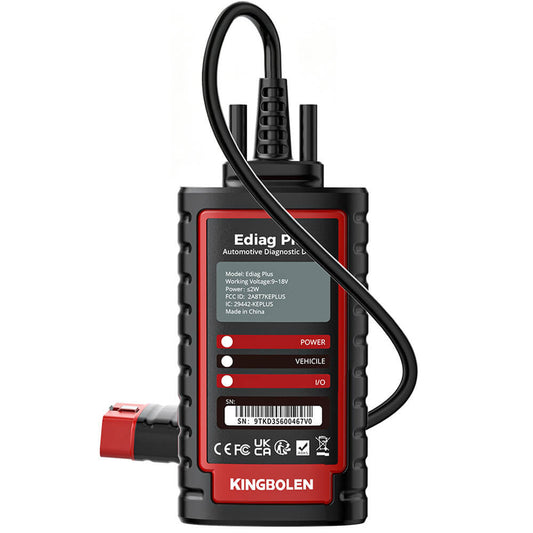
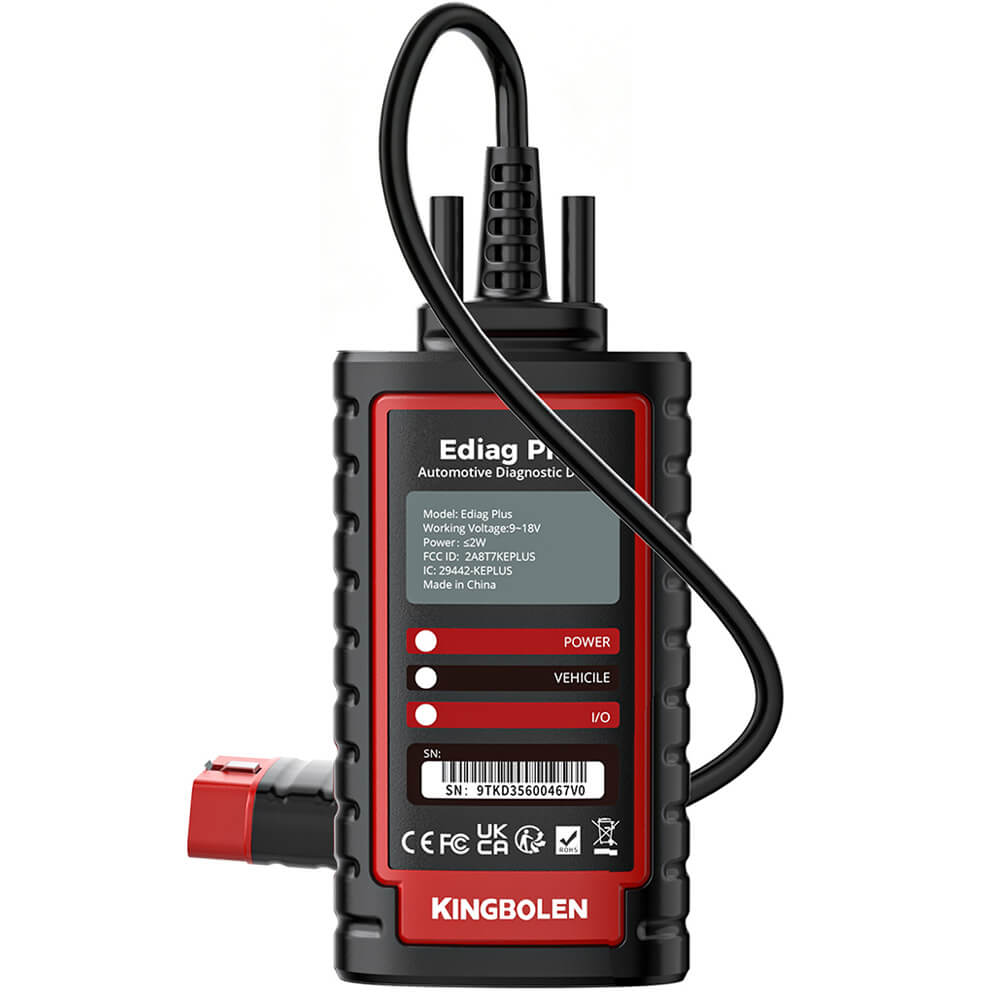
KINGBOLEN® EDIAG PLUS — OBD2 Bluetooth Scanner
The KINGBOLEN® EDIAG PLUS is a compact Bluetooth OBD2 scanner designed for everyday diagnostics. It connects wirelessly to your smartphone and provides clear, actionable data to help confirm whether a P0014 repair has been successful.
Best For: DIY vehicle owners looking for a portable, app-based scanner to read fault codes and monitor live data without a dedicated screen.
Why We Love It: Its compact size and wireless connectivity make it easy to keep in the glovebox for quick checks after an oil service or VVT solenoid cleaning.

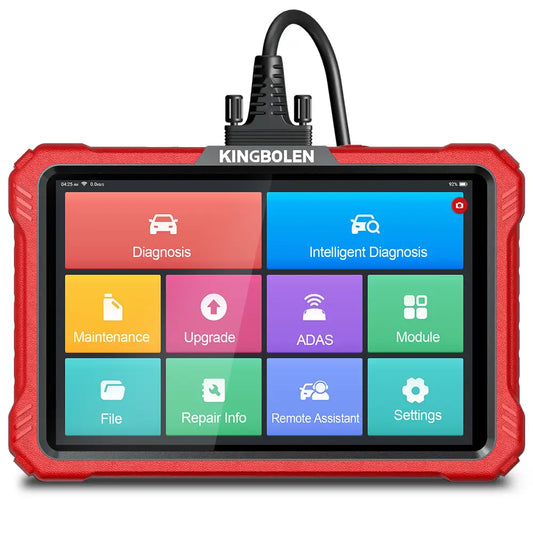
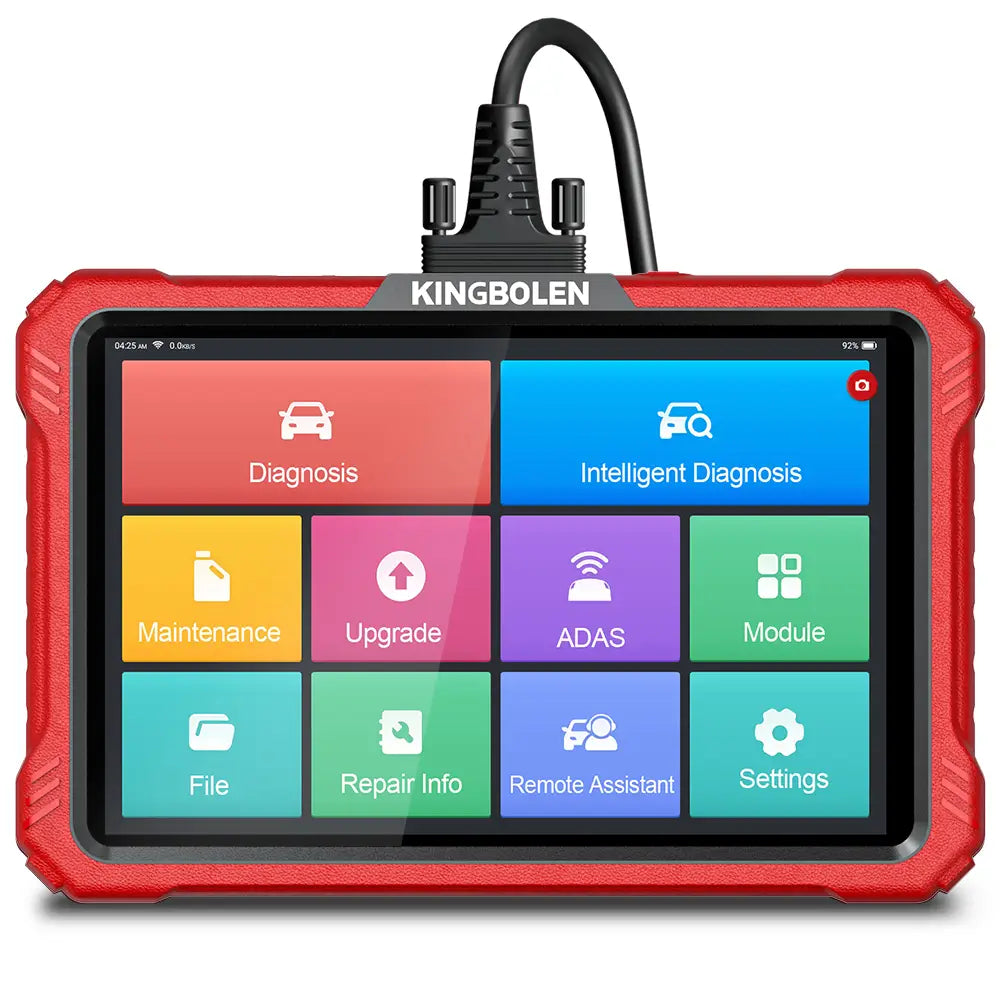
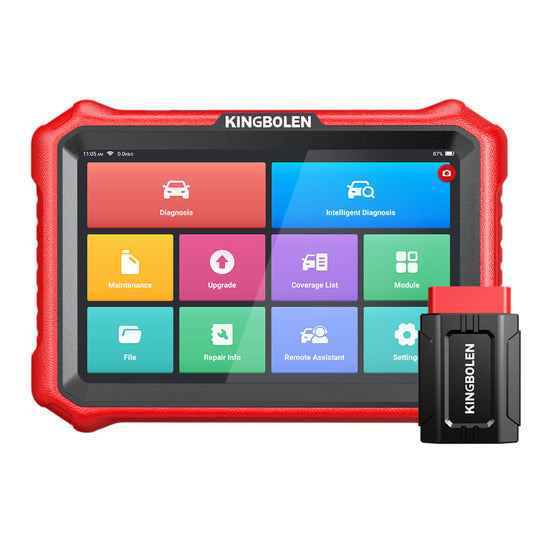
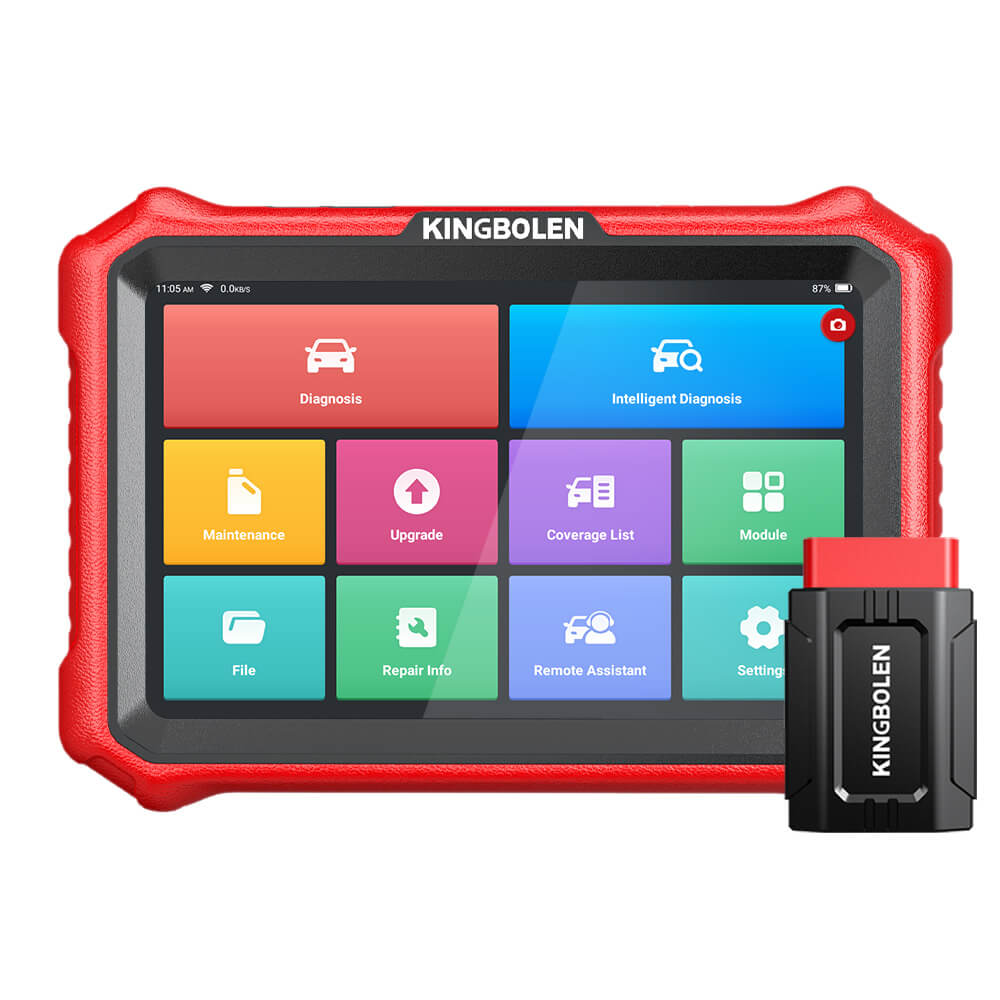
KINGBOLEN K10 Elite — Professional Diagnostic Scanner
The KINGBOLEN K10 Elite is a professional-grade diagnostic scanner built for technicians who need advanced capabilities to accurately diagnose complex VVT faults.
Best For: Professional technicians and repair shops diagnosing persistent or complex P0014 faults that require live data analysis and bidirectional component testing.
Why We Love It: The ability to monitor actual versus commanded camshaft angle in real time—and command the VVT solenoid on and off—makes it possible to identify sticking actuators and timing chain stretch without unnecessary disassembly.
P0014 doesn't always mean a major repair. In most cases, the issue traces back to oil quality, a sticking VVT solenoid, or a sensor fault — all of which are manageable with the right diagnostic approach. Check the oil first, work through the system methodically, and use live data to confirm the fix before spending on parts.
